Mobile App Development in Israel: A Business Guide for 2026

Mobile app development in Israel: what businesses should know
Mobile app development in Israel combines strong engineering talent, a mature startup ecosystem and deep experience in security, fintech and logistics. For companies that need an app built for Israeli users, or a product that serves global customers, a local team offers short feedback loops, Hebrew and RTL expertise and familiarity with local payment and identity providers.
This guide focuses on decisions. For process and budgets, see our companion posts on the process, timeline and costs of app development in Israel and choosing an app development company in Israel.
Step 1: Choose your platform strategy
Native iOS and Android
Native apps give the best performance and access to every device feature. They cost more because two codebases must be built and maintained. See our iOS development and Android development services.
Cross-platform
Flutter and React Native share most code between platforms, which usually shortens delivery and lowers maintenance. For most business apps, this is the pragmatic choice. Learn more about our cross-platform development.
Which to pick
- Standard B2B or consumer workflows: cross-platform.
- Heavy graphics, AR or deep hardware integration: native.
- Unvalidated idea: start with a small MVP, then decide.
Step 2: Pick the right team model
- Freelancers: flexible and cheap, but a single point of failure.
- Software house: a full team covering product, design, development and QA.
- In-house team: maximum control, but slow and costly to build.
Our comparison of in-house vs outsourcing covers this trade-off in more detail (in Hebrew).
Step 3: Plan for Israeli market requirements
- Hebrew and RTL: layouts, typography and mixed-direction text must be designed from day one, not patched later.
- Integrations: local payment gateways, invoicing, SMS and identity services, plus CRM systems. See our backend and API development.
- Privacy and security: compliance with Israeli privacy law and, where relevant, GDPR for European users.
- Store publishing: App Store and Google Play review rules need planning. We handle app store publishing.
Step 4: Design before you code
Good apps start with a clear user flow and a tested prototype. Investing a few weeks in UI/UX design reduces rework and keeps development estimates honest.
Step 5: Start small, then scale
A focused MVP validates demand with real users within a few months. Track activation and retention, then expand. This approach limits risk and gives you evidence for investors or internal stakeholders.
Questions to ask an app development company in Israel
- Can I see live apps you built and speak to a client?
- Who owns the source code and the app store accounts?
- How do you estimate, and what happens if scope changes?
- What is your testing and release process?
- What support do you offer after launch?
Frequently asked questions
How much does mobile app development in Israel cost?
A focused MVP typically costs tens of thousands of shekels, while a full business app costs more depending on features, integrations and platforms. A fixed-scope discovery phase gives an accurate quote.
How long does it take to build an app in Israel?
Most MVPs take three to four months, and full business apps four to six months or longer, depending on scope and integrations.
Should my app support Hebrew and English?
If your users are in Israel, yes. Building bilingual RTL and LTR support from the start is far cheaper than adding it later.
Do I own the code after development?
You should. Make sure your contract assigns ownership of source code, designs and store accounts to your company.
Planning an app? Book a free consultation and get a clear scope and next steps.
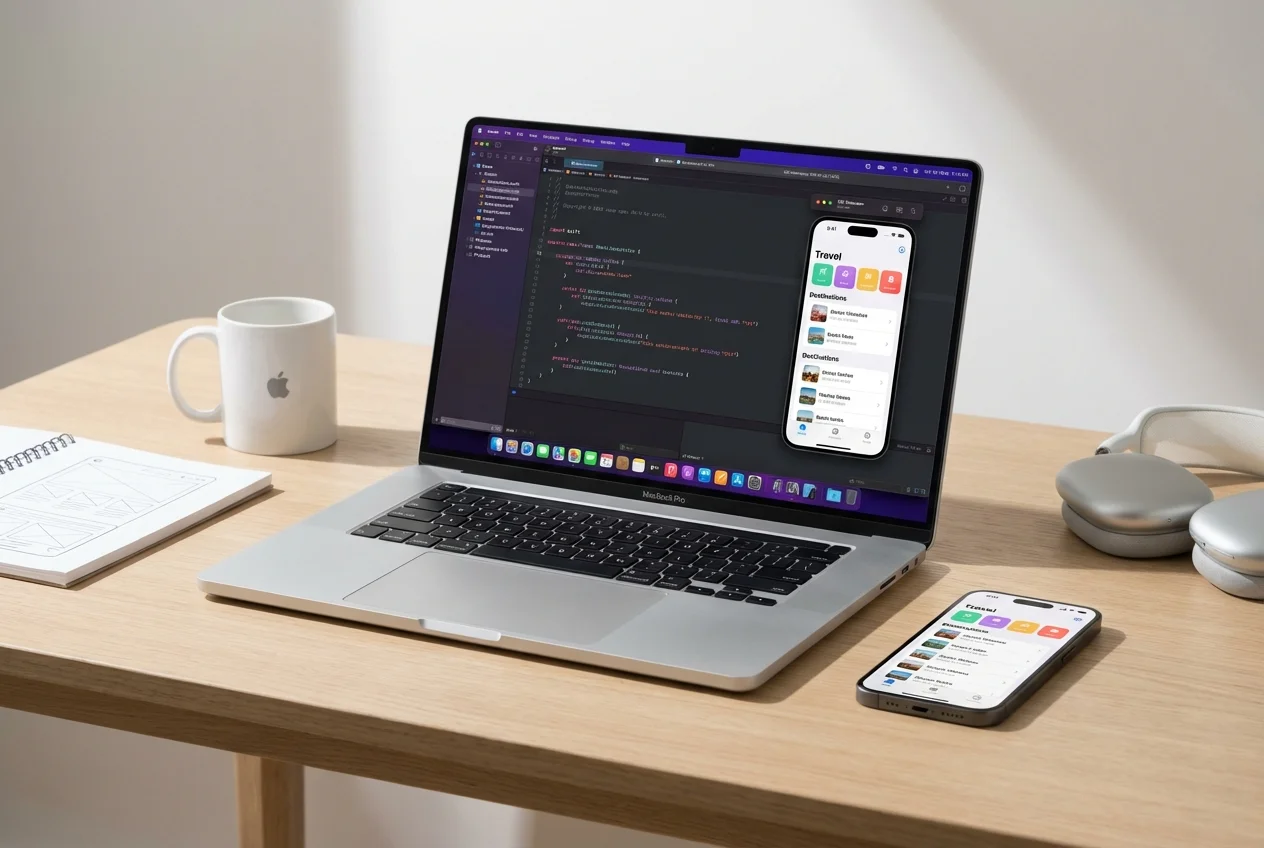 פיתוח אפליקציות iOS
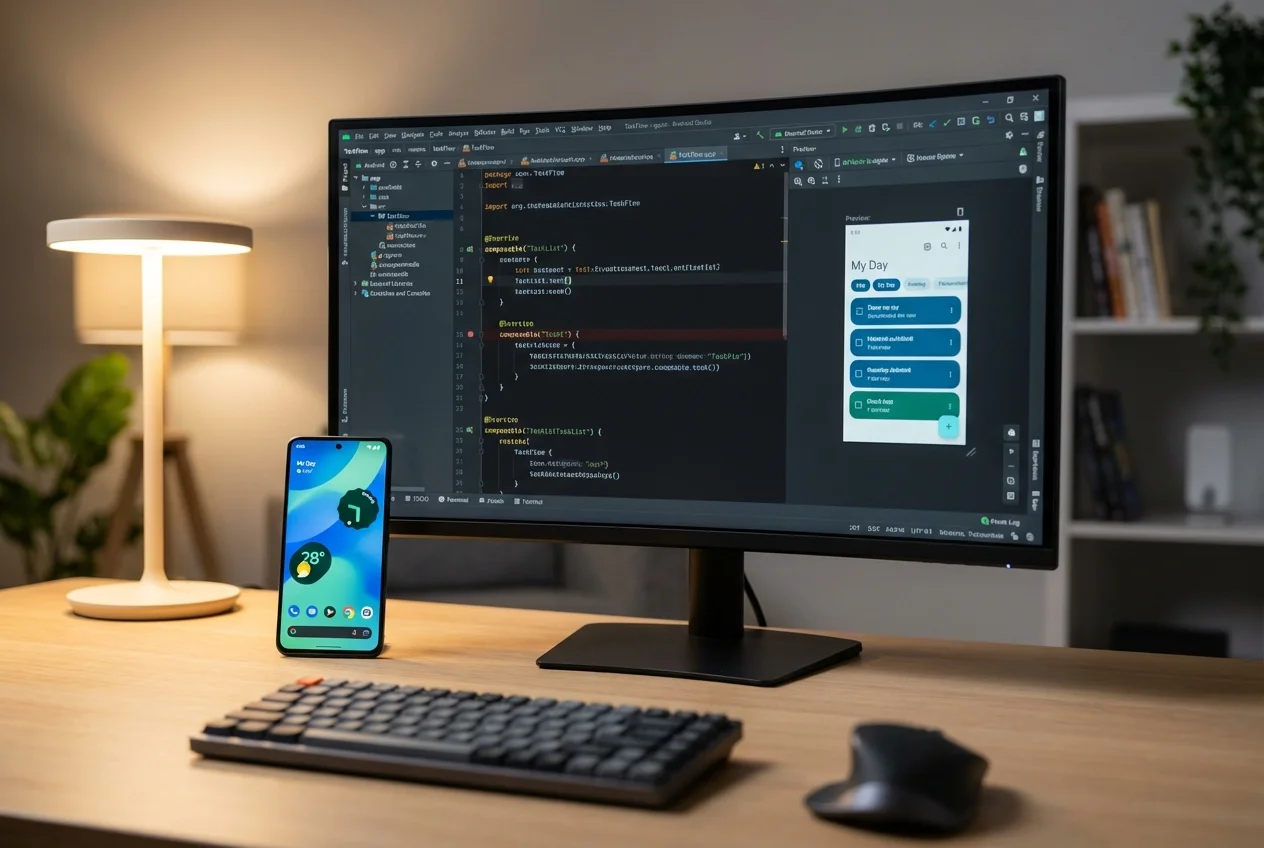 פיתוח אפליקציות Android
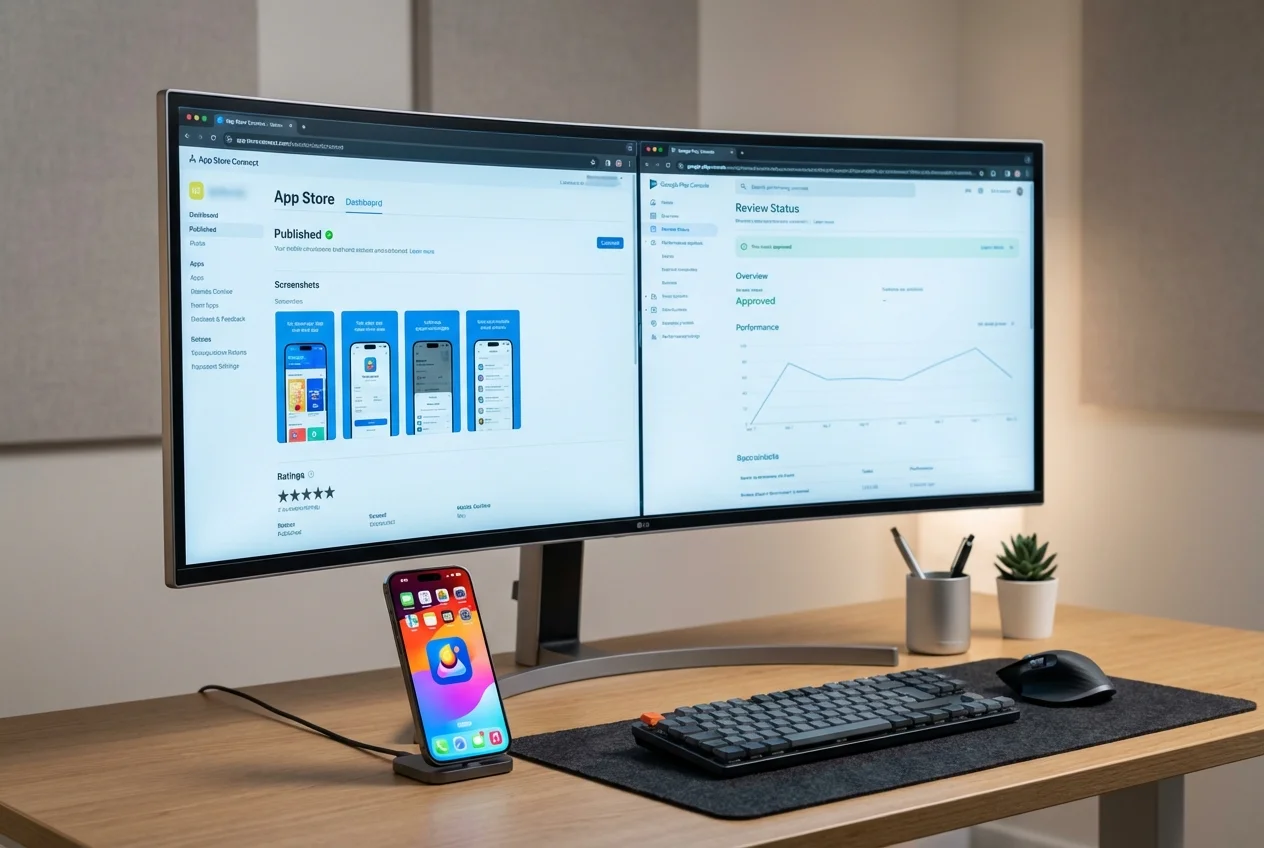 פרסום והשקה ב-App Store